
Understanding the psychological impact of gambling A deep dive into player behavior
The Nature of Gambling Addiction
Gambling addiction, often referred to as compulsive gambling, is a behavioral disorder where individuals find themselves unable to control their gambling habits. This addiction can stem from various psychological factors such as thrill-seeking behavior, escapism, and social pressures. The dopamine release associated with winning can create a feedback loop, encouraging players to gamble more despite negative consequences. Many enthusiasts are drawn to engaging experiences, like the Aviator betting game, which can further complicate their ability to manage gambling activities responsibly.
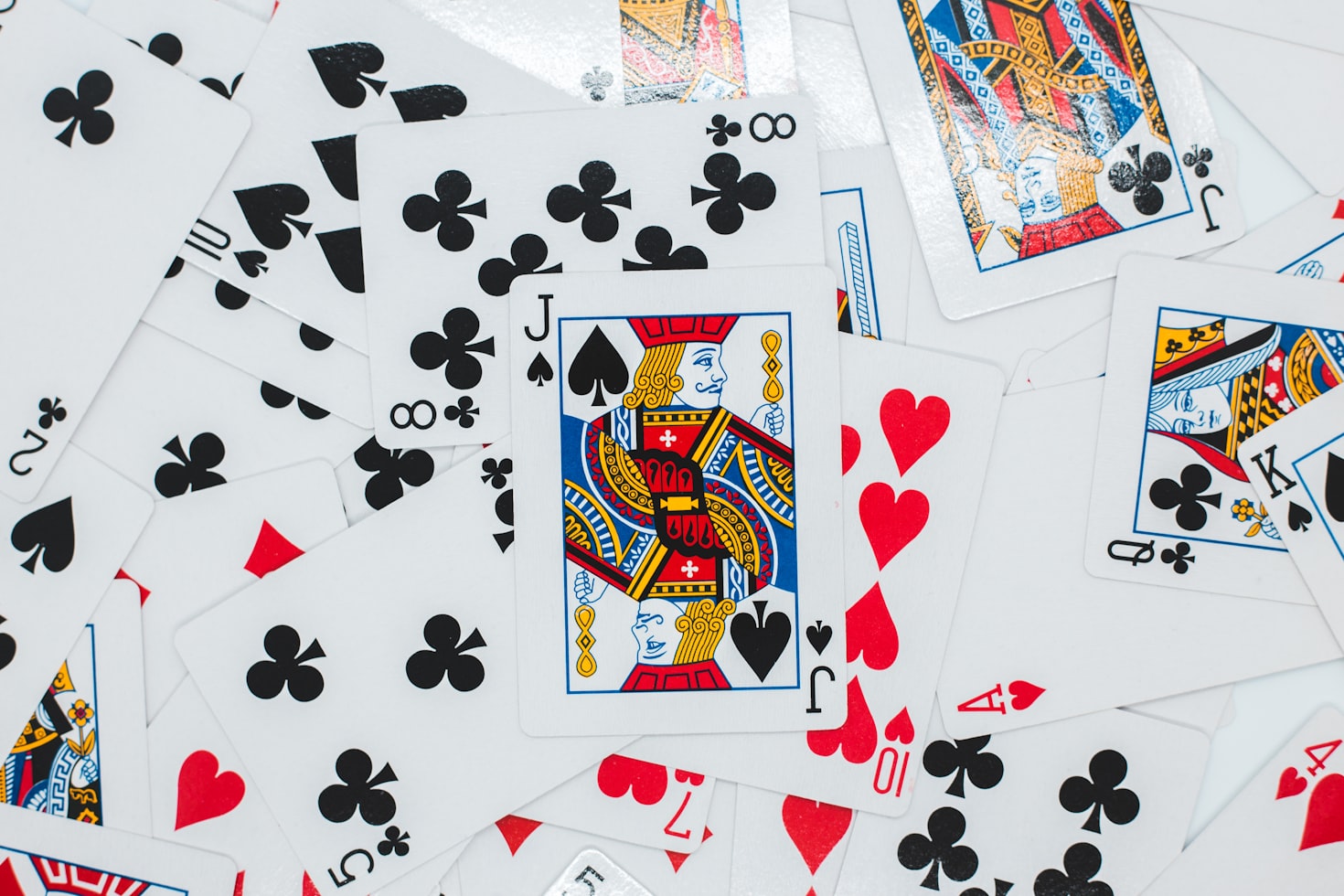
The psychological impact of gambling addiction extends beyond financial ruin; it can affect relationships, mental health, and overall quality of life. Many players may experience anxiety, depression, or guilt as they struggle with their gambling behavior, which can lead to a cycle of further gambling in an attempt to alleviate these feelings.
Psychological Factors Influencing Player Behavior
Numerous psychological factors play a role in influencing player behavior, including cognitive biases and emotional triggers. Gamblers often fall victim to the illusion of control, believing they have more influence over outcomes than they actually do. This misconception can lead to increased gambling as players chase losses or anticipate a win they think is due.
Emotional triggers, such as stress, boredom, or loneliness, can also prompt individuals to gamble. For many, the act of gambling offers a temporary escape from everyday life, allowing them to forget their problems. Understanding these triggers is crucial for recognizing and addressing gambling behavior effectively.
The Role of Environment and Social Influence
The environment in which gambling occurs can significantly impact player behavior. For instance, the atmosphere of a casino is designed to enhance the experience, with bright lights, sounds, and the presence of other players contributing to an exhilarating environment. These elements can create a sense of urgency and excitement, encouraging individuals to gamble more.
Social influences also play a pivotal role in gambling behavior. Peer pressure and social norms can encourage individuals to partake in gambling activities, often normalizing excessive gambling. Understanding the interplay between social contexts and gambling can provide insights into prevention and treatment strategies for addiction.
Coping Strategies and Interventions
Addressing the psychological impact of gambling involves implementing effective coping strategies and interventions. Cognitive-behavioral therapy (CBT) has proven effective in helping individuals recognize harmful thought patterns and replace them with healthier behaviors. This therapy can aid players in understanding their motivations for gambling and finding alternative coping mechanisms.
Support groups, such as Gamblers Anonymous, also play a significant role in recovery. These groups provide a community for individuals to share their experiences and support one another in overcoming addiction. Combining professional therapy with social support often yields the best results for those seeking to change their gambling habits.

About This Website
This website is dedicated to providing valuable resources and insights into the psychological aspects of gambling and player behavior. Our mission is to raise awareness of gambling addiction and its impacts while offering support to those affected. We aim to equip readers with knowledge and tools to understand gambling behaviors better.
Whether you are seeking information for yourself or a loved one, we provide a range of articles, guides, and resources to aid in understanding and addressing gambling-related issues. Our goal is to foster a healthier approach to gambling and support those on their journey to recovery.
